
Running ad campaigns and making them profitable is definitely a challenge. In this simternship, I had to make real decisions using data, and not all of them worked out the first time.
Brief Summary of Campaigns
In this simternship, I managed multiple paid campaigns including search, display, and shopping ads. The main goal was to increase Sales and conversions while staying within a budget. Search campaigns focused on targeting users actively looking for products, display campaigns were used to build brand awareness, and shopping campaigns showcased specific products directly to potential buyers.
Keyword Strategies
When building my keyword strategy, I focused on user intent and different match types. For example, I used exact match keywords like “messenger bags for men” to target specific searches, and phrase match keywords like “best messenger bags.” to reach a broader audience.
PPC Bids: Successes & Challenges
One success I had was increasing bids on high-performing keywords, which led to more clicks and better ad positioning. However, I also faced challenges when I set bids too high, which increased my costs without significantly improving conversions. On the other hand, bidding too low caused my ads to appear less often, reducing visibility. Finding the right balance was definitely the key.
KPI Analysis
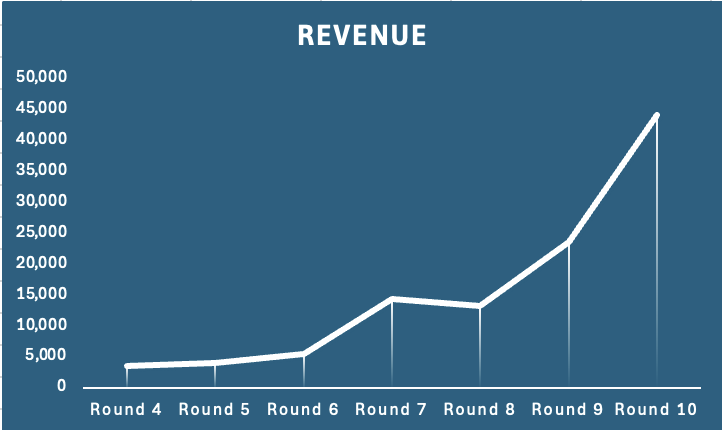
I tracked important KPIs like impressions, revenue, clicks, and conversions. A higher amount of clicks showed that my ads were relevant and engaging. Conversions were the most important KPI to keep track of because it showed whether users were actually taking action from my ads. These metrics helped guide my decisions and adjustments throughout the campaign.
A/B Testing
I conducted A/B testing by creating different versions of ads with changes in headlines and descriptions. For example, one ad focused on a discount offer, while another highlighted product quality. The ad with a clear call-to-action and benefit performed better, which showed me how important messaging is in influencing user behavior.
Improving Search, Display, and Shopping Campaigns
To improve my search campaigns, I refined my keyword list by removing underperforming keywords and adding new ones, as well as adjusting bids. These changes helped improve both performance and efficiency.
For display campaigns, I focused on improving visuals and headlines. I had to adjust headlines and which bag I advertised to better reach people who were more likely to be interested. This helped increase engagement and overall campaign effectiveness.
To optimize shopping campaigns, I improved product titles and descriptions to include relevant keywords. I also made sure product images were clear and appealing. These changes made the listings more competitive and helped attract more clicks from potential buyers.
Conclusion
Overall, this simternship taught me how important it is to use data to guide decisions. I learned that even small changes in keywords, bids, or ad design can have a big impact on results, and that continuous testing and improvement are key to running successful campaigns.
Leave a Reply